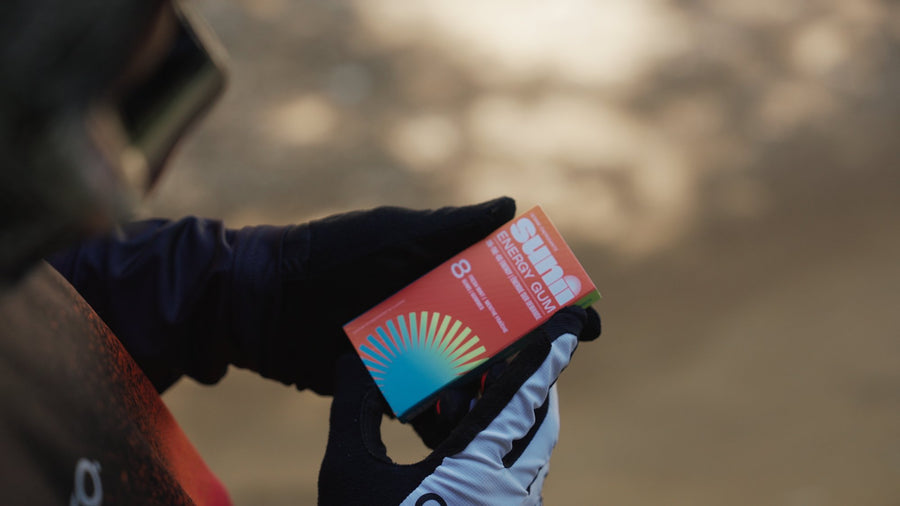
The short answer: On a job site, the best energy plan is enough sleep, plenty of water and small, planned amounts of caffeine early in the shift. Energy gum lets you take caffeine 50 mg at a time without a big sugary can, but it doesn't replace water, food or rest, and your site's rules always come first.
Early starts, a cold truck at 5 a.m., long days in the sun, overtime when the pour runs late: trades work is hard on your energy. We're a family-owned company from BC, and we wrote this guide for framers, electricians, labourers, operators, landscapers and everyone else who builds things for a living.
Why do so many construction workers rely on energy drinks?
Researchers have looked at this directly. A Griffith University study of six Brisbane construction sites (2014-2015) reported that almost 40% of workers drank large quantities of energy drinks, and that many skipped breakfast and had an energy drink instead because their shifts started so early.
WorkSafe Queensland links energy drink use to the pace, timing and intensity of the work. It says shift workers, people with physically demanding jobs or long hours, and people doing repetitive tasks are more likely to use them to stay alert, and that energy drinks and soft drinks sometimes replace water on site.
Some employers have taken action. A 2014 CIM Magazine article on energy drinks at work described a mining and construction contractor that banned energy drinks on site, and a remote Quebec mine that stopped selling them in its cafeteria.
What are the risks of energy drinks on a job site?
WorkSafe Queensland lists dehydration, heart palpitations, headaches, anxiety and insomnia among the reported health effects, and notes that workers may be less able to do physical tasks or operate plant and machinery safely.
The dose is part of the problem. The FDA's caffeine guide says energy drinks generally contain 54 to 328 mg of caffeine per 16 fluid ounces. In Canada, Health Canada caps caffeinated energy drinks at 180 mg of caffeine per serving. Either way, two or three big cans before lunch adds up quickly.
Do energy drinks dehydrate you when working in the heat?
SafeWork NSW's heat guidance says energy drinks, coffee and some soft drinks can increase urine output, and that the safest thing in the heat is to stick to water. A CCOHS podcast on workplace dehydration suggests at least one cup of water every 15 to 20 minutes, even when you're not thirsty.
Energy gum doesn't change that. Whatever you use for caffeine, keep a full water jug in the truck and drink from it all day.
Energy gum vs energy drinks: how do they compare on site?
| Sunii energy gum | Typical energy drink | |
|---|---|---|
| Caffeine | 50 mg per piece; 1 piece if you're sensitive, 2 if you're used to caffeine | Varies by brand; FDA says 54-328 mg per 16 fl oz. Canada caps it at 180 mg per serving. |
| Sugar | Sugar-free, 0 calories per piece (Canadian label) | Many regular versions contain sugar; check the label |
| Carrying it | A pack of 8 fits in a vest or tool-belt pocket. No cooler, no spills. | Needs space in the cooler; open cans spill |
| Dose control | Add caffeine 50 mg at a time | The whole can is one serving |
| Hydration | Not a drink; you still need water | Not a substitute for water in the heat (SafeWork NSW) |
Most people feel Sunii within 5-10 minutes, because the caffeine is absorbed through the lining of the mouth while you chew. That's handy on a quick coffee break when you don't have time to sit down.
How should you time caffeine on a construction shift?
A simple plan for a typical early start:
- Start of shift: 1 piece if you're sensitive to caffeine, 2 if you're used to it. Eat breakfast too, even if it's something quick in the truck.
- Midday dip: if you need more, have another piece with lunch, and drink water with it.
- Afternoon cut-off: CCOHS's fatigue guidance recommends avoiding caffeine for up to 8 hours before you sleep. If you're in bed at 9 p.m. for a 5 a.m. alarm, that means stopping around 1 p.m.
- Overtime: a long day is when it's tempting to keep stacking caffeine. Stay within your daily limit and remember that tiredness is a safety issue, not just a comfort one.
Key numbers for the job site
- 400 mg: Health Canada's daily maximum for healthy adults, from all sources.
- 180 mg: Health Canada's cap on caffeine per serving of an energy drink.
- 50 mg: caffeine in one piece of Sunii.
- 8 pieces (400 mg): Sunii's daily maximum; at that amount, skip other caffeine.
- 8 hours: how long before sleep CCOHS recommends avoiding caffeine.
- 1 cup every 15-20 minutes: CCOHS's water suggestion for working in the heat.
How tired is too tired to work safely?
CCOHS compares being awake to drinking: about 17 hours awake is similar to a blood alcohol content of 0.05, and 21 hours is similar to 0.08. On a long pour day with a commute on each end, that comes around sooner than you'd think. Caffeine can help you feel more alert, but it doesn't pay back sleep you didn't get. If you're nodding off, tell your supervisor and don't run equipment.
For long rotations and camp work, see our guide to energy for 12-hour shifts.
Can you chew gum on a job site?
Usually, but follow your site's rules. Some sites restrict eating and chewing in work areas, especially around lead, silica, chemicals or anywhere you need a respirator. Wash up before you unwrap anything, and ask your supervisor what applies when you're wearing a respirator. Wrap used gum and bin it; don't leave it on the deck.
Who should skip caffeine gum?
Sunii is not for children. If you're pregnant or breastfeeding, consult a health care practitioner before using it. Talk to a practitioner first if you take lithium or have high blood pressure, glaucoma or an overactive bladder. Don't combine it with other caffeine or stimulant products, including energy drinks, and remember that it is not a substitute for sleep. For more on daily limits, read how much caffeine is too much, or check our FAQ page.
Quick facts about Sunii
- 50 mg of caffeine per piece (total, including caffeine from guarana), about 1/2 cup of coffee.
- Most people feel it within 5-10 minutes, absorbed through the lining of the mouth while you chew.
- 8 pieces per pack. 1 piece if you're sensitive to caffeine, 2 if you're used to it. Maximum 8 pieces (400 mg) a day; at that amount, skip other caffeine.
- Each piece also has 50 mg of taurine, plus vitamins B5 and B6.
- Fresh mint. Sugar-free, gluten-free and vegan. 0 calories per piece (Canadian label).
- Founded in Whistler and made in Langley, BC. Family-owned.
See the full label on our Sunii facts page.
Want to try it on your next job? Start with the Sunii 3-pack trial for $18.99, with free shipping on every order. You can also find Sunii at Circle K and other stores across Canada and the US with our store locator.
Last reviewed: November 12, 2026